
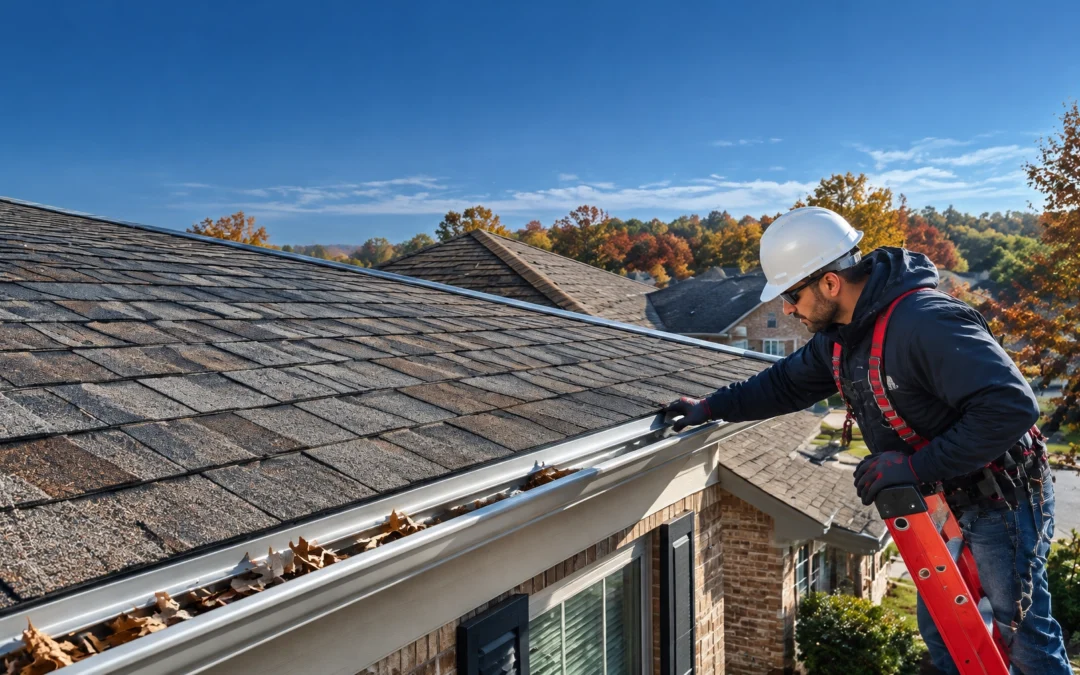
Could a small roof defect turn a brief Texas freeze into a ceiling stain, a costly repair, or an insurance headache? A little attention before the first cold snap can help catch trouble while it’s still manageable.
Texas winters may be short, but cool nights, warm afternoons, wind-driven rain, and occasional freezes can put an aging roof to the test. Temperature swings make existing cracks, loose materials, and failing seals more vulnerable to water getting in. Think of it like your car: you wouldn’t wait for the engine light and a roadside breakdown to check the oil. A seasonal roof check is the same kind of practical maintenance.
Start with a safe, careful inspection
Walk around the property and look for changes from the ground. Check inside, too: water stains on ceilings, damp insulation, musty smells, or discoloration in the attic can point to a leak.
A close-up roof inspection is best left to a qualified professional. A wet, steep, fragile, or frosty roof is no place for a DIY climb. The Texas Department of Insurance recommends preparing your home for severe weather, including checking the roof and clearing gutters. If your roof has leaked before, is visibly aging, or recently took hail or wind, schedule an inspection before winter weather arrives.
What should you ask the inspector to look at? Start with the spots where roof sections meet or something passes through the roof.
Check flashings and seals around penetrations
Flashing is the material installed at roof joints and edges to guide water away. It’s often found around chimneys, walls, skylights, vents, and roof edges. Pipe boots and other seals protect openings where plumbing or equipment passes through the roof.
Look for lifted or separated metal, rust, missing fasteners, open seams, and cracked or dried sealant. These details can seem minor from the ground, but a gap gives wind-driven rain a way in. Cold-weather movement can also stress a weak joint that was already nearing failure.
Wrong: Smearing a bead of caulk over a leak and calling it fixed.
Right: Identify the source, repair the flashing or seal with materials suited to that roof system, and confirm the repair is properly integrated.
A surface patch may hide a symptom while water keeps finding its way underneath. If you’re unsure what you’re seeing, have a roofer assess it.

Look for granule loss and shingle wear
Asphalt shingles are protected by small mineral granules that shield the underlying asphalt from sun and weather. If you see some granules in the gutters, that alone doesn’t prove a roof is failing. But widespread or unusually rapid granule loss, bald-looking patches, curled or cracked shingles, and missing tabs deserve attention.
Granules matter because bare asphalt weathers faster. An older roof with exposed patches can be more vulnerable when rain and temperature swings arrive. Avoid walking on shingles to investigate; unnecessary foot traffic can loosen or scuff them.
If you’re seeing several signs of wear, ask for an evaluation of the roof’s overall condition, not just a quick patch. A targeted repair may make sense for an isolated problem. Widespread deterioration, repeated leaks, or extensive shingle damage may call for a different plan.
On flat roofs, take ponding seriously
Commercial property owners should look for water that remains on a low-slope roof after rain. Ponding water means water that hasn’t drained away; it can signal a blocked drain, inadequate slope, or a developing problem with the roof deck. It can also put continued stress on seams, membranes, and flashings.
Clear leaves and debris from drains, scuppers, and gutters. Check that water has a clear route off the roof, and note where puddles form and whether they persist. Don’t puncture the roof membrane or try to “fix” ponding with a surface patch. Drainage and slope problems need a proper assessment.

Clear gutters and roof debris
Leaves, branches, and roof debris can block drainage and hold moisture where it shouldn’t linger. Clean gutters and downspouts, confirm water can flow away from the building, and trim branches that are close enough to rub or drop debris onto the roof.
A careful cleaning can also make it easier to notice visible wear. But the method matters: don’t use a pressure washer on shingles. High pressure can damage roofing materials. Texas Roof Magic’s Soft Washing service is available for both residential and commercial properties and uses a low-pressure approach to clean roof surfaces. Cleaning can help with algae, mildew, and debris; it does not repair a leak or correct a structural problem.

Where roof maintenance services fit
A fall inspection may show that a roof needs a repair, cleaning, or a longer-term maintenance plan. Those are different needs, so choose a service based on what the roof actually needs.
For eligible asphalt-shingle roofs: Shingle Rejuvenation
Texas Roof Magic’s Shingle Rejuvenation service applies an asphalt roof conditioning treatment intended to help extend shingle life by 5, 10, or 15 years. It’s a maintenance option for qualifying asphalt shingles, not a substitute for repairing damage or replacing a roof that has reached the end of its serviceable life. Get a professional assessment first.
For commercial buildings: NanoTech® Cool Roof Coating
NanoTech® Cool Roof Coating is for commercial properties only. Its purpose is cooling and energy performance, not structural repair and not an alternative to roof replacement. On a suitable roof, the coating is designed to emit 94% of heat away from the roof and has the lowest thermal conductivity on the market, helping limit heat transfer. Texas Roof Magic reports potential roof-temperature reductions of 50–70 degrees and HVAC-use reductions of up to 45%. The service is installed by certified NanoTech® dealers and installers, with a 10-year rolling warranty.
Those performance benefits don’t mean a coating can correct ponding, failed flashing, damaged decking, or other underlying problems. The roof needs to be evaluated to determine whether it’s an appropriate candidate.
Insurance disclaimer: A roof coating does not guarantee approval by an insurance underwriter. Before authorizing coating work, property owners should ask their broker to obtain the carrier’s exact requirements in writing.
The best winter prep is the work that matches the actual condition of your roof.
Don’t let a small issue become a costly surprise
A neglected opening can let water travel beneath the roofing, damage insulation or interior finishes, and turn a repair into a bigger project. Roof condition may also matter when an insurer reviews a property, but requirements vary by carrier. If you’re considering a coating or other roof work, confirm applicable insurance requirements with your broker before giving the go-ahead.
Keep a simple record of what you find: photos, dates, leak locations, and repairs. Texas Roof Magic provides progress photos and updates through CompanyCam, so property owners can follow the work without having to guess what’s happening overhead.
Key takeaways
- Check the roof before the first freeze, especially if it’s aging or has leaked.
- Focus on flashings, pipe boots, seals, shingle wear, and drainage.
- Clear gutters and debris; don’t pressure-wash shingles or attempt risky roof access.
- Treat persistent ponding as a drainage concern that needs professional assessment.
- Soft Washing is available for residential and commercial properties; Shingle Rejuvenation is for asphalt shingles.
- NanoTech® Cool Roof Coating is commercial-only and intended for cooling and energy performance, not structural repair or roof replacement.
- Get your insurance carrier’s coating requirements in writing through your broker before authorizing coating work.
If you’re not sure what your roof needs, give Texas Roof Magic a shout through our contact page. We’re here to help you understand what you’re seeing and protect your property before winter weather puts it to the test.